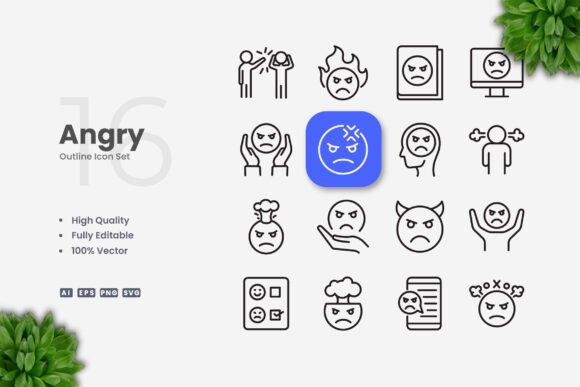
Angry Icons: A Powerful Tool for Clean and Versatile Design
Angry Icons is a collection of high-quality, vector-based icons designed with simplicity and clarity in mind. These icons are ideal for a wide range of applications, from websites and mobile apps to books, social media, infographics, flyers, print materials, banners, and posters. Their clean design makes them easy to integrate into any visual project, ensuring a professional and polished look.
Understanding the Role of Angry Icons in the Design Process
Angry Icons fits naturally into the broader design process, offering a reliable source of visual elements that can enhance user interfaces, communicate ideas effectively, and maintain visual consistency across platforms. Whether you're working on a website, a marketing campaign, or a digital publication, these icons provide a foundation for clear and impactful communication.
Before starting a project, designers often search for icons that align with their vision and style. Angry Icons offers a ready-to-use solution that saves time and ensures quality. During the creative process, these icons can be easily adapted to fit specific needs, allowing for greater flexibility and customization. After the project is complete, they contribute to a cohesive and professional final output.
How to Use Angry Icons in Different Workflows
Angry Icons can be used at various stages of a project. For example, during the planning phase, they can help visualize layout structures or user interactions. In the execution phase, they can be integrated into design software like Adobe Illustrator or CorelDRAW, where their editable stroke and customizable features allow for precise adjustments.
For marketers, these icons can be used in social media posts, email campaigns, or advertisements to create visually engaging content. For educators, they can be incorporated into presentations or learning materials to make information more digestible. For entrepreneurs, they can be used in branding assets, such as logos or promotional materials, to establish a strong visual identity.
Compatibility and Integration with Other Tools
One of the key strengths of Angry Icons is its compatibility with a variety of design tools and platforms. The inclusion of multiple file formats—such as AI, EPS, SVG, PNG, and a Readme.txt file—ensures that users can work seamlessly with their preferred software. This versatility allows for smooth integration into existing workflows without requiring additional conversions or edits.
Designers who use Adobe Illustrator can take advantage of the source files to adjust stroke weights, colors, and other properties. Similarly, those using CorelDRAW can access the same level of customization. For web developers, the SVG format provides scalability and resolution independence, making it ideal for responsive design. The PNG transparency files are perfect for quick implementation in digital projects where speed and simplicity are essential.
Practical Tips for Using Angry Icons
To get the most out of Angry Icons, consider the following practical tips:
- Plan Ahead: Before selecting icons, define the purpose and context of each icon within your project. This helps ensure that the chosen icons align with the overall design and message.
- Customize Thoughtfully: Use the editable stroke and color options to match your brand’s visual identity. Avoid over-customizing, as this can lead to inconsistencies or complexity.
- Organize Your Files: Keep your icon files well-organized, especially if you're working on large projects. Create folders based on categories, such as navigation, actions, or data visualization, to streamline your workflow.
- Test Across Platforms: Ensure that the icons look good on different devices and backgrounds. Test them in both light and dark mode to verify their visibility and readability.
- Document Your Changes: If you modify the icons, keep track of your changes in the Readme.txt file or a separate document. This helps maintain clarity for future edits or team collaboration.
Workflow Examples and Real-World Applications
Consider a scenario where a designer is creating a mobile app interface. They might start by selecting a set of Angry Icons that represent common actions, such as settings, home, or notifications. These icons can then be resized and colored to match the app’s theme. By using the editable stroke feature, the designer can ensure that the icons have a consistent weight and style, enhancing the overall user experience.
In another example, a marketer preparing a social media campaign could use Angry Icons to create eye-catching visuals. By dragging and dropping the SVG or PNG files into their design tool, they can quickly assemble a series of posts that maintain a cohesive look while conveying the desired message. The ease of use and flexibility of these icons make them an efficient choice for fast-paced marketing environments.
Long-Term Benefits and Consistency
Using Angry Icons over time can lead to long-term benefits, particularly in terms of consistency and efficiency. When a design team uses the same set of icons across multiple projects, it creates a unified visual language that strengthens brand recognition. This consistency also simplifies the onboarding process for new team members, as they can quickly understand and apply the established design system.
Additionally, the high-quality nature of these icons ensures that they remain relevant and usable over time. Unlike low-quality or outdated icons, which may need frequent replacements, Angry Icons offer a durable and reliable resource that can support a wide range of projects for years to come.
Conclusion: Embracing the Power of Simple Design
Angry Icons exemplifies the power of simple, clean design in modern visual communication. By combining aesthetic appeal with practical functionality, these icons serve as a valuable asset for professionals and creators across various industries. Whether you're working on a small personal project or a large-scale business initiative, integrating Angry Icons into your workflow can enhance your design outcomes and streamline your creative process.